Hardscapes, veneer, and structural stonework — set on site by our own masons, not subcontracted out once the stone leaves the shop.
Most fabrication shops stop at the loading dock. We don't. Cangelosi runs its own masonry crews, which means the same company that cuts and nests your stone is the one on site setting it — no handoff, no second contractor re-reading someone else's shop drawings, no finger-pointing if a coursing pattern doesn't land the way it was drawn. That continuity matters most on masonry work, where fit and reveal are decided in the field as much as in the shop. We don't subcontract this scope out to a third-party mason the way some fabricators do; if you hire Cangelosi for masonry, Cangelosi people are the ones on your job site.
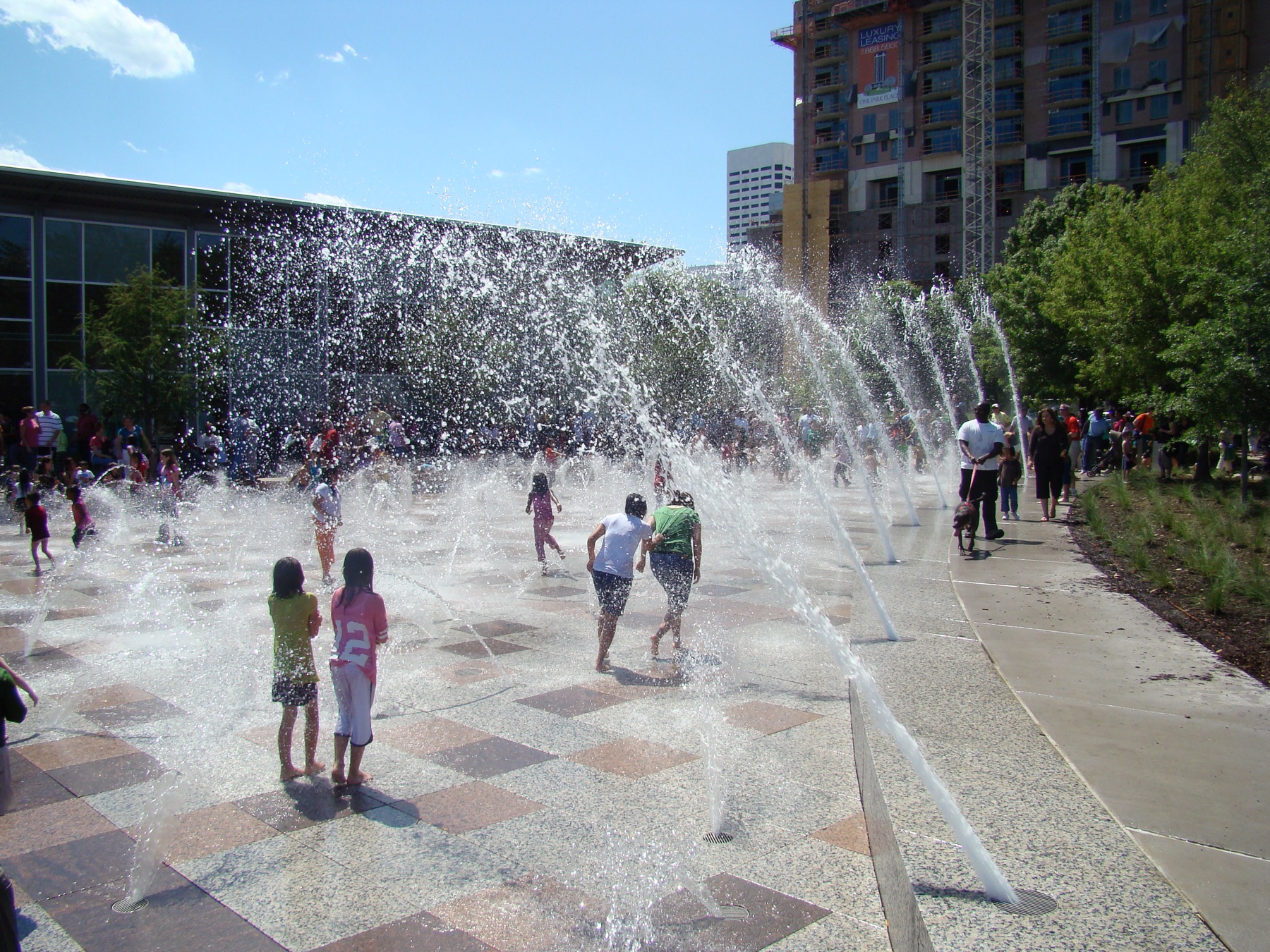
Our masonry scope covers three broad categories. Hardscapes — patios, walkways, pool decks, retaining walls, and outdoor stair work — where durability under Houston's freeze-thaw-adjacent, high-humidity climate and consistent color across a large footprint both matter. Thin stone veneer and full-bed stone cladding for building exteriors, entry columns, and accent walls, giving a structure the look and texture of solid stone construction at a fraction of the weight and cost of full-thickness stone (see our thin stone veneer material page for how that cladding is cut). And structural stone masonry — load-bearing or semi-structural stonework such as columns, seat walls, and stone-clad structural elements — where the installation has to meet both an aesthetic standard and an engineering one.
Retaining walls are one of the more common calls we get, whether it's a residential yard managing a grade change or a commercial site holding back a parking lot or drainage easement — these need both correct backfill and drainage behind the stone and a face that reads right from the street, and getting one without the other is a common failure point we're brought in to fix on other people's work. Entry features — columns, monument walls, gated entrances, and address markers — are usually the first thing a visitor or customer sees on a property, so we treat the coursing pattern and joint work on those with the same tolerance we'd apply to an interior countertop seam. Exterior cladding wraps commercial buildings, clubhouses, and custom homes in a stone or veneer face, tying the structure visually to whatever fabricated stone is used inside.
Because we fabricate the stone ourselves at our 52,080 sq ft Missouri City shop before it ever reaches the job site, we control tolerances end to end: pieces are cut, dry-fit checked, and labeled for install sequence before they leave the building. On site, our crews handle layout, setting, and pointing directly, which keeps the schedule in our hands rather than waiting on a separate mason's availability. Exterior masonry is also weather-dependent in a way shop fabrication isn't — mortar and pointing work needs a dry window and a workable temperature range, so we build weather contingency into the install schedule up front rather than treating a rained-out week as a surprise. Whether the job is a single residential courtyard or a full commercial hardscape package, the process and the crew stay the same.
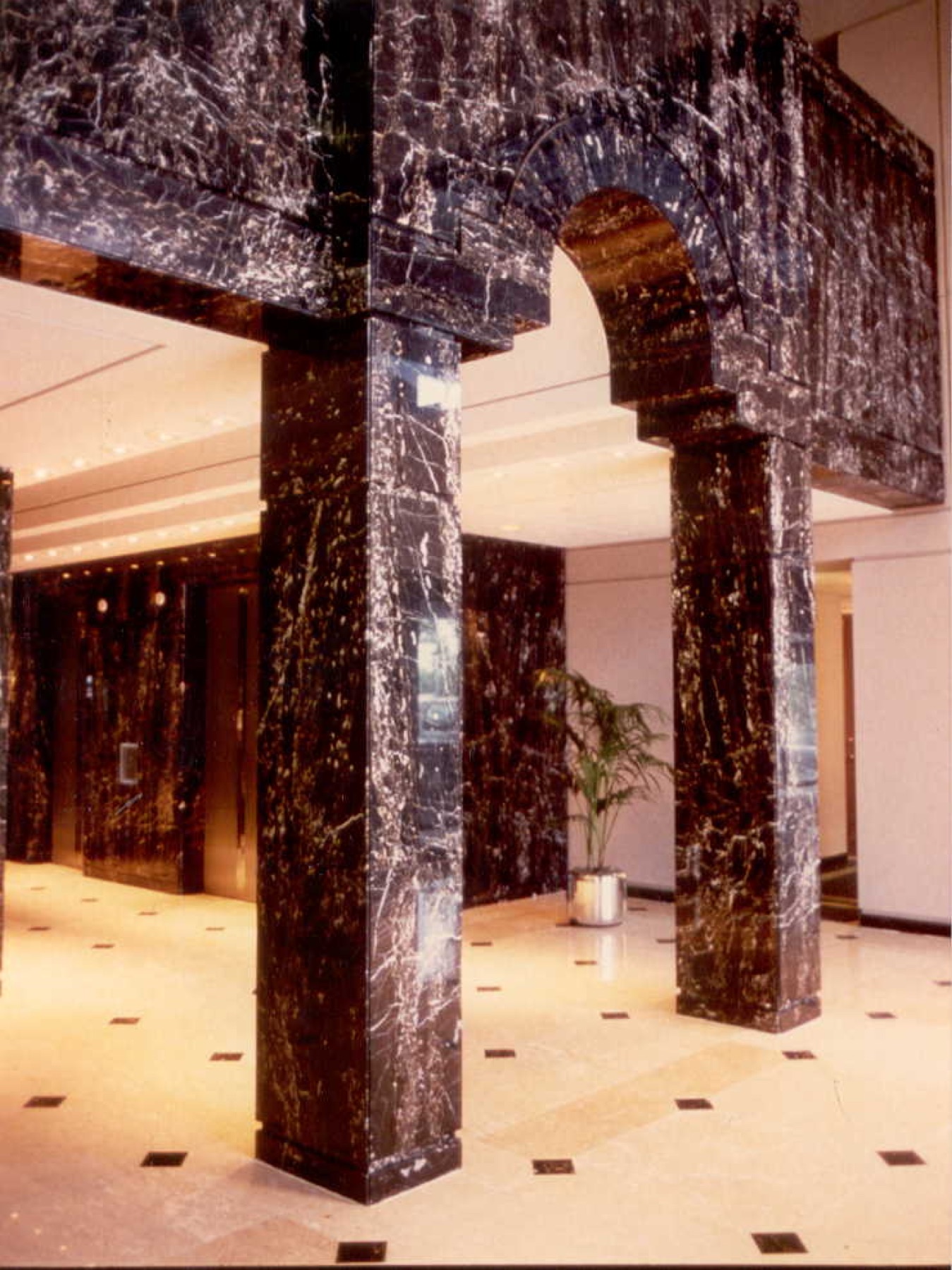
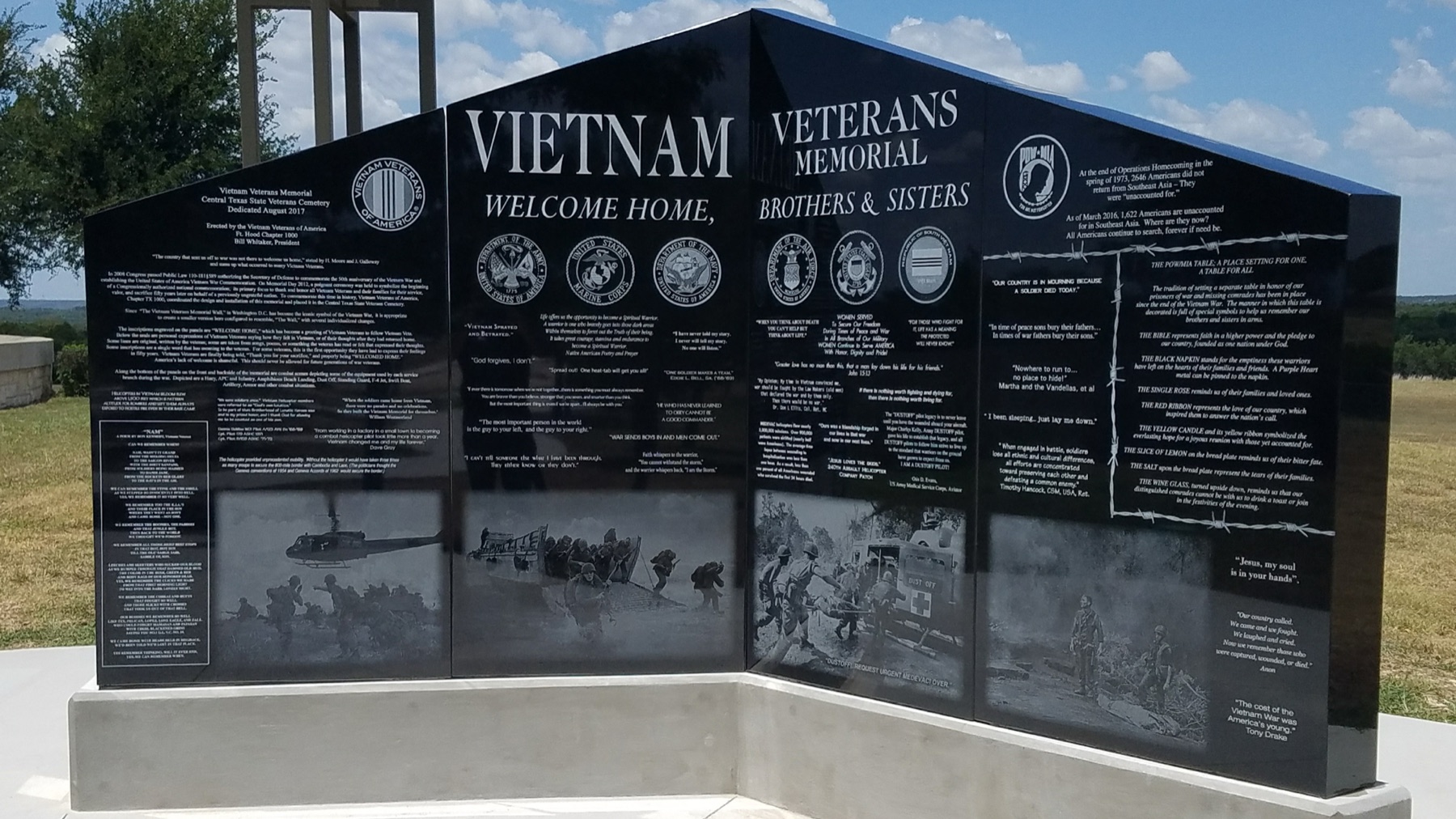
Masonry frequently pairs with our other project types — a custom-signage monument set into a masonry entry wall, or structural veneer wrapping a commercial building's stone-clad lobby. Talk to us early in design and we'll scope the fabrication and the installation together as one job, which is also the fastest way to get an accurate lead time, since the fabrication window and the on-site install window get planned as a single schedule instead of two separate ones stacked end to end.
Fabricated stone is a cut-to-size slab piece — a countertop, a vanity top, a signage panel — templated, cut, and finished in our shop, then set in place as a single component. Masonry is built up piece by piece on site: individual stones, blocks, or thin veneer units set in a coursing pattern with mortar or mechanical anchoring, like a retaining wall, a column, or a cladded exterior. Thin stone veneer sits at the overlap of the two — it's fabricated to size in our shop like a slab product, then installed the way masonry is, course by course. See our thin stone veneer page for that specific product.
Our own crews. We don't hand masonry installation off to a third-party subcontractor once the stone leaves the shop. The people setting your retaining wall, entry feature, or veneer cladding work for Cangelosi, which is also why we can hold the same tolerance standard on site that we hold in fabrication.
Retaining walls and grade-change work, entry features like columns and monument or gated entrances, exterior cladding wrapping commercial buildings or custom homes, patios and pool decks, and structural or semi-structural stonework like seat walls and stone-clad columns. Scale ranges from a single residential courtyard to a full commercial hardscape package.
Mortar and pointing work needs a dry window and a workable temperature range, so exterior masonry doesn't run on the same predictable clock as indoor fabrication work. We build weather contingency into the install schedule from the start rather than treating a rained-out week as a surprise, and we'll flag realistic timeline ranges up front rather than a single best-case date.
It depends on scope and how early we're brought into design. Because we fabricate the stone in-house and then install it with our own crews, bringing us in during design lets us plan the shop fabrication window and the on-site install window as one continuous schedule, which is faster and more predictable than stacking a separate fabricator's lead time on top of a separate mason's availability. Talk to us before drawings are final if the timeline is tight.